Asomatos
The History of the Village
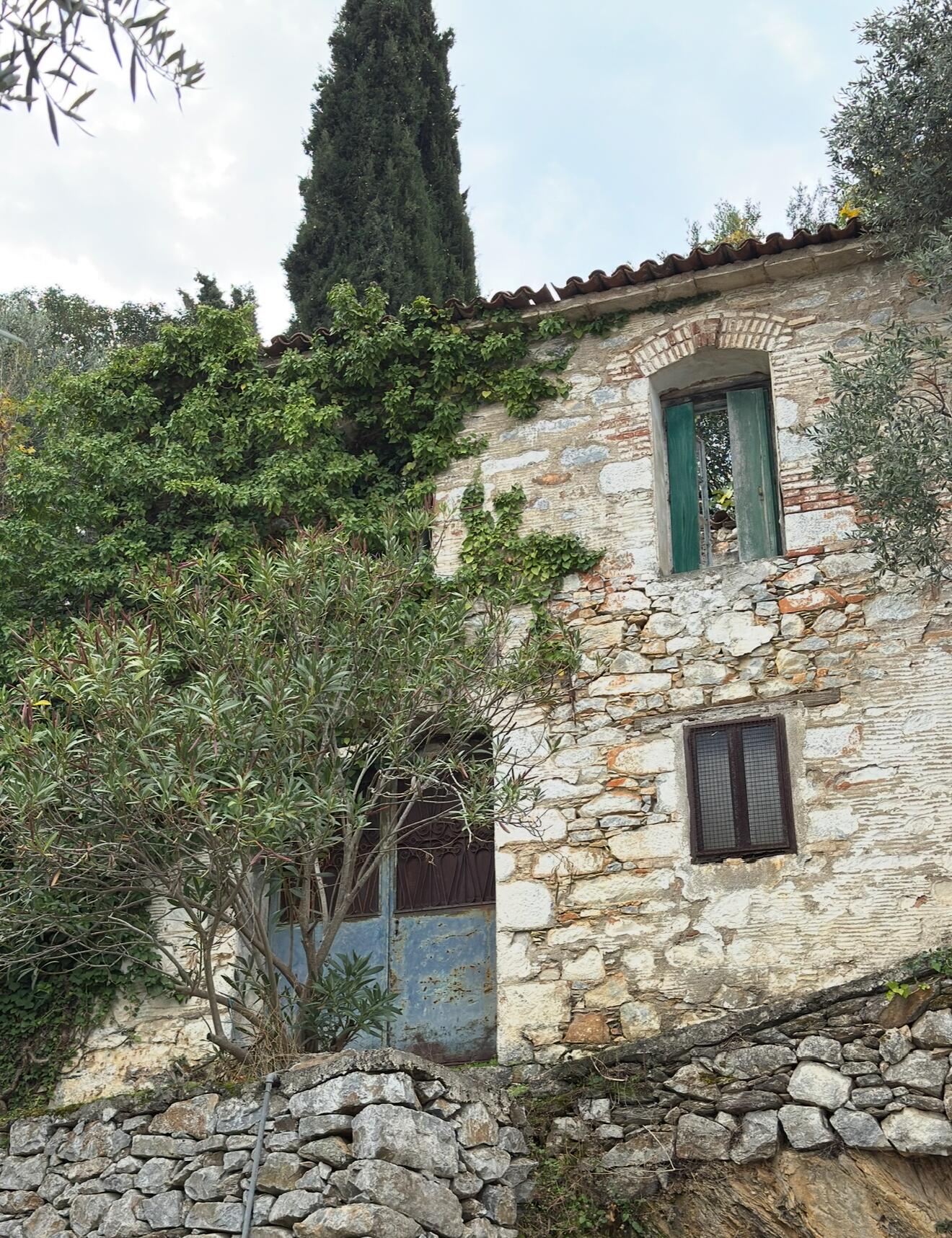
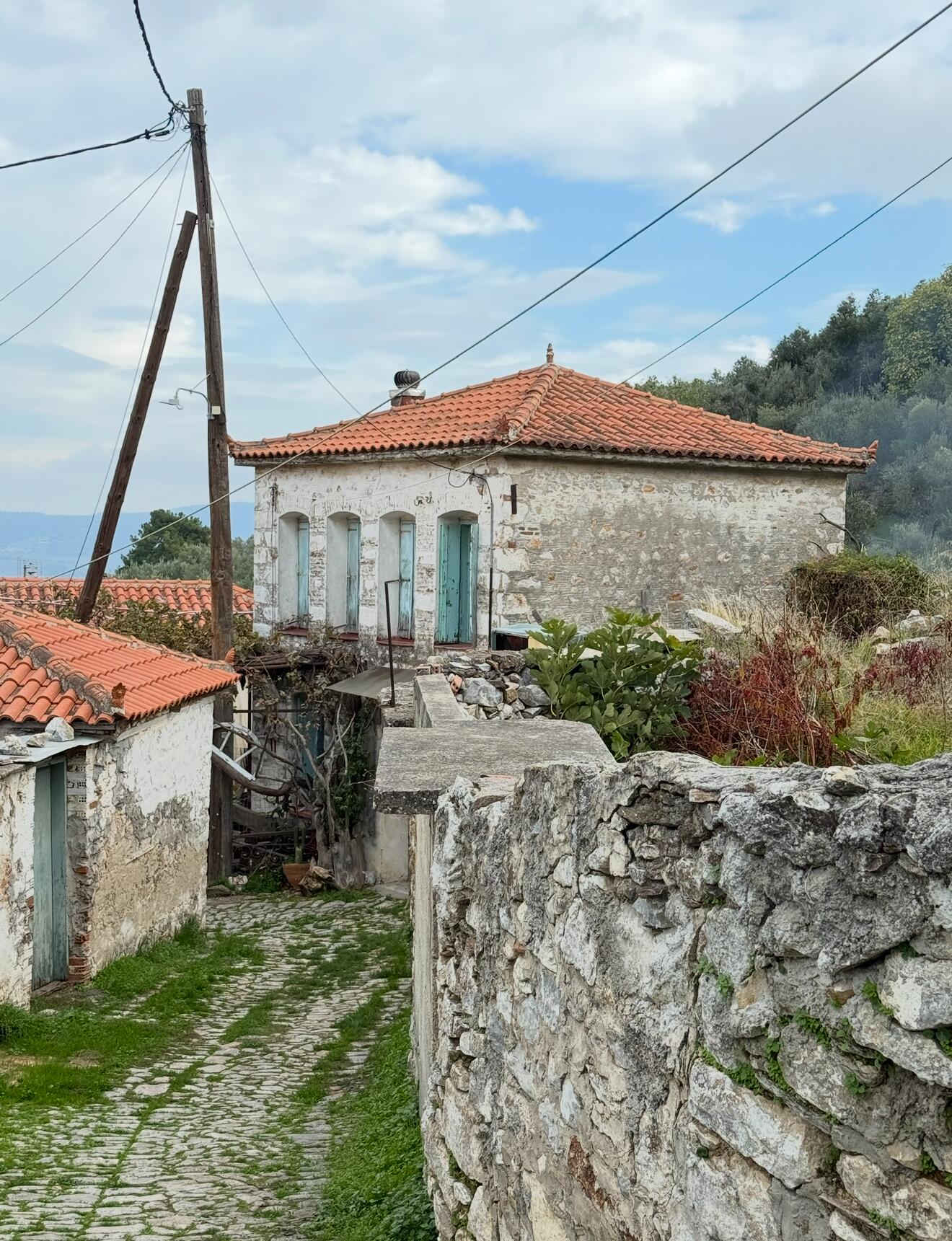
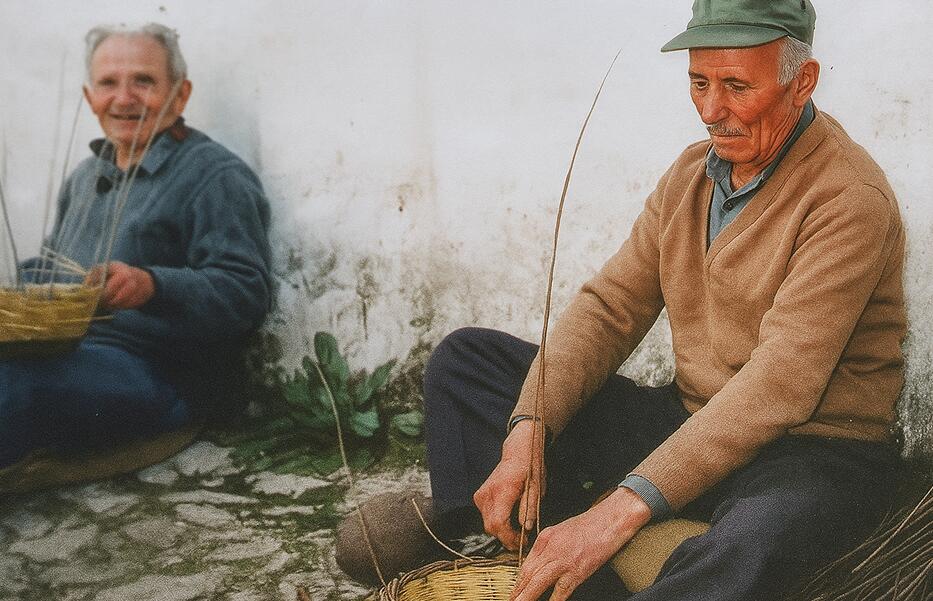
Asomatos, a small mountainous village in Lesvos, has a history that begins in the middle of the medieval period. Initially, the inhabitants had settled in the area known as "Chorafelia," 3 kilometers north of the present-day settlement, where an agricultural community existed. However, due to pirate raids, the settlement began to decline, and the residents gradually moved to more inaccessible and secure locations. The area known as "Kastania" is considered the first core of the present village.
Despite significant difficulties, such as the terrible plague epidemic in 1832, the deep frost of 1850, and the devastating earthquake of 1867, the inhabitants of Asomatos showed remarkable persistence and resilience. The economic and social life of the village saw a recovery after 1632, when the practice of 'paidomazoma' (child-gathering/forcible conscription) was abolished.
The History of the Village
Arts and Professions
The village had many skilled craftsmen and was known for various jobs, many of which were connected to the area's natural environment.
Asomatos’s marble sculptors were very famous for their work and persistence. They were so skilled that people even called them "architects." For their projects, they used hard, white and black stones from the local quarries (Nikon, Polychnos, Ekklisidi) to create beautiful works of art.
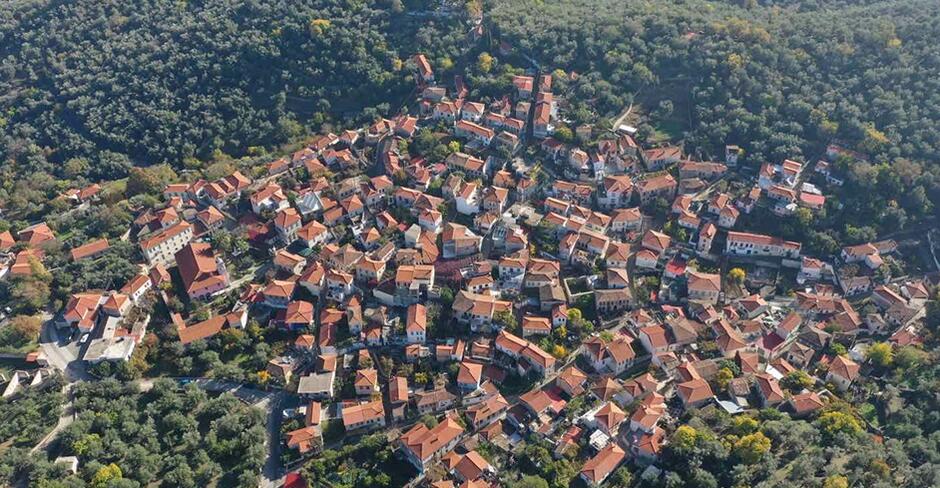
The art of basket weaving also grew a lot. According to tradition, the residents of Asomatos had learned it from monks. Their beautiful baskets, large hampers, and carrying baskets were sold easily and in many surrounding villages.
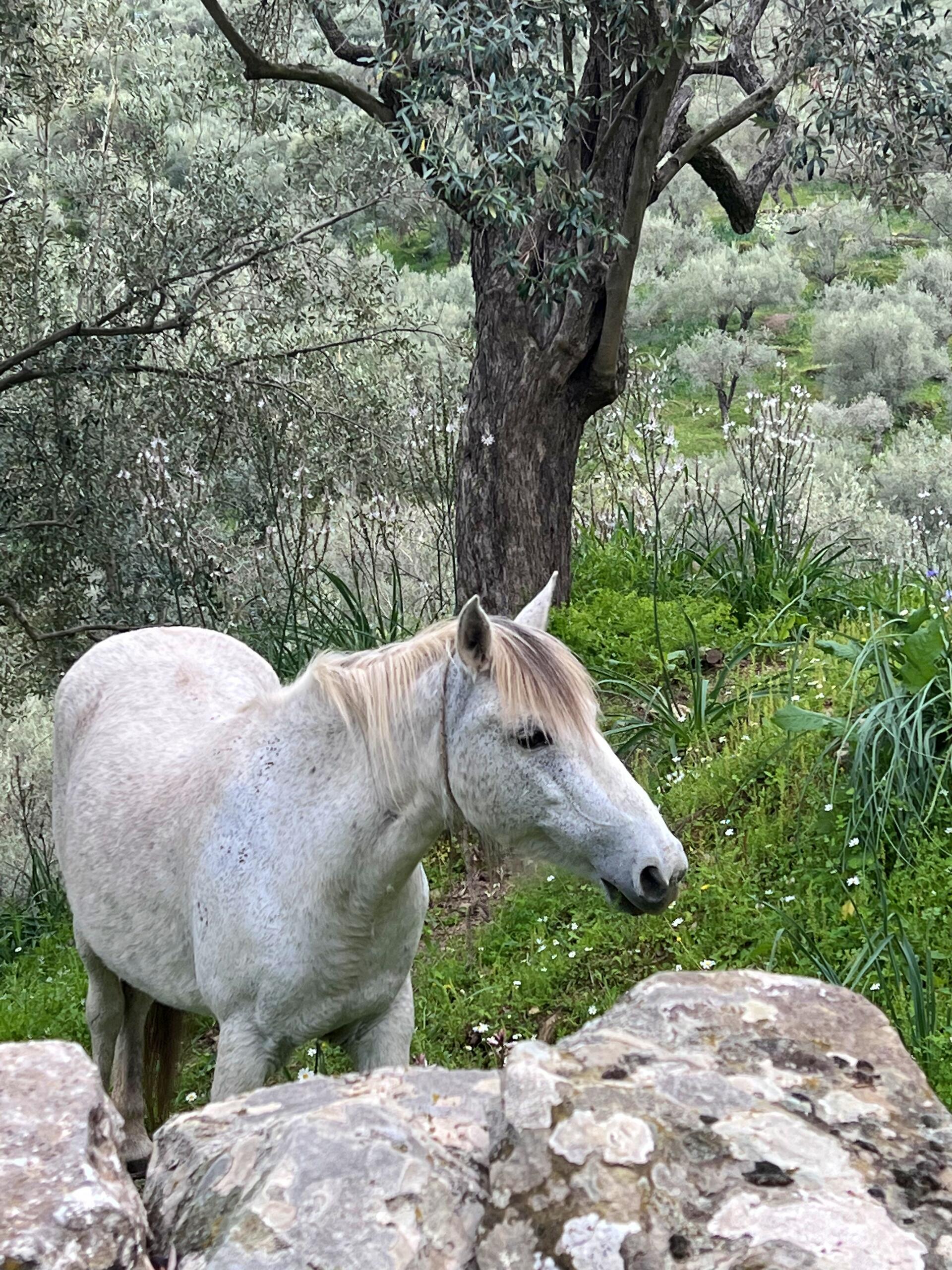
The cultivation of olive trees and the production of olive oil was the village's main job and employed most of the residents. Additionally, the craft of the miller was brought to the village by residents who moved from Andria. They built mills along the Agioi Anargyroi and Nichtanda rivers, using the power of the water to meet the village’s needs.
Arts and Professions
Benefactors of Asomatos
The history of Asomatos is deeply intertwined with the generosity and vision of remarkable individuals who, through their care and contributions, supported the village and contributed to its progress. Their love for the place left an indelible mark on the community and the spiritual life of the village.
Chatzigrigoris Chatzivranas
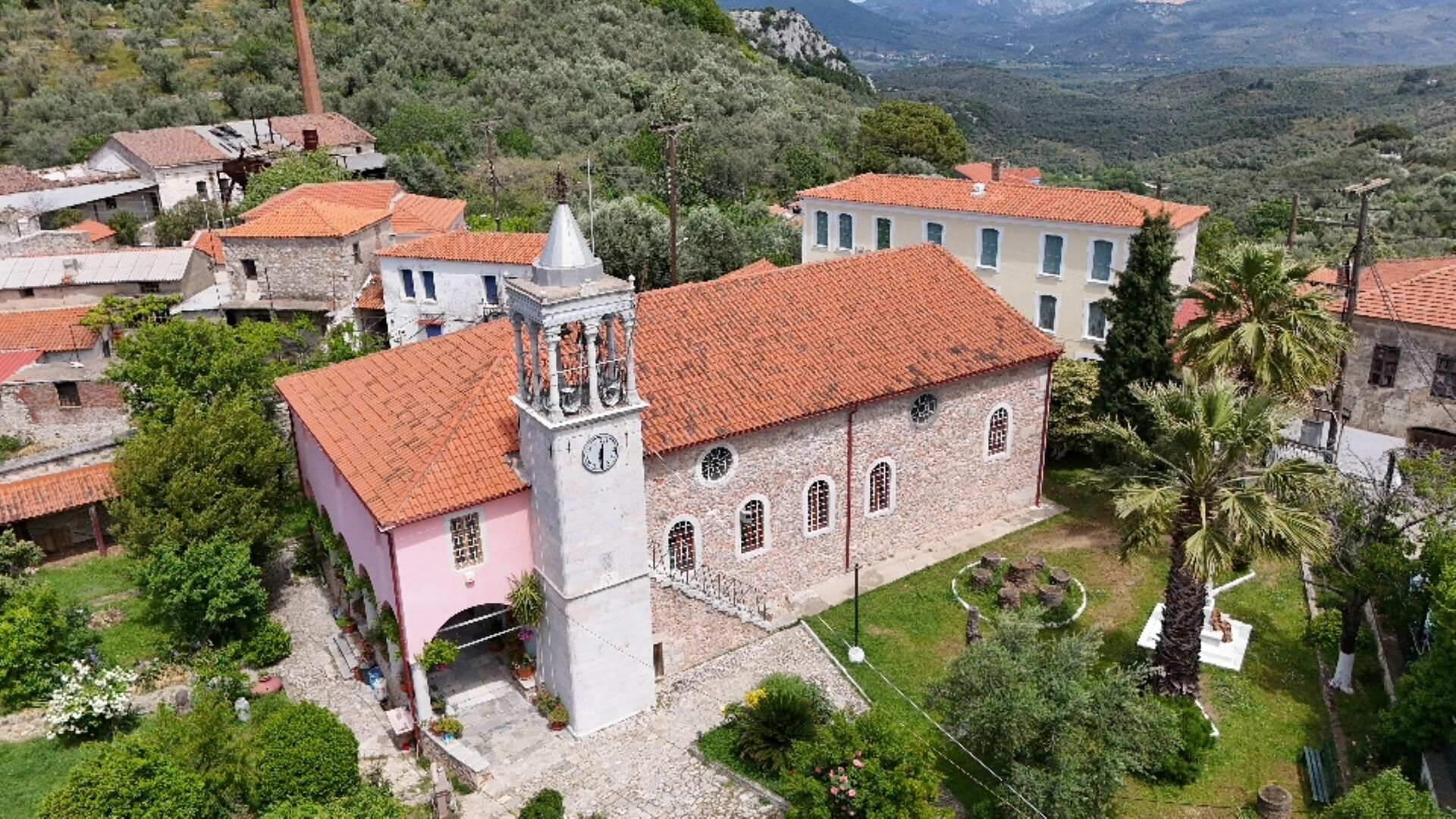
Chatzigrigoris Chatzivranas is counted among the most significant figures of Asomatos. As a major benefactor, he donated his entire fortune for the relief of the village’s poor and for its general prosperity. He was a prominent and successful olive oil merchant, known as far as Smyrna (Izmir) and Constantinople (Istanbul). He personally visited the Holy Lands and earned the title of "Chatzi" (a title given to those who completed a pilgrimage). His donation left behind great works, such as the bell tower of the Taxiarches Church, which was built in 1863 with 100 Ottoman gold liras. In his will, he also made provisions for the destitute, as well as for the schools and hospitals of Mytilene.
Ioannis (John) Kontellis
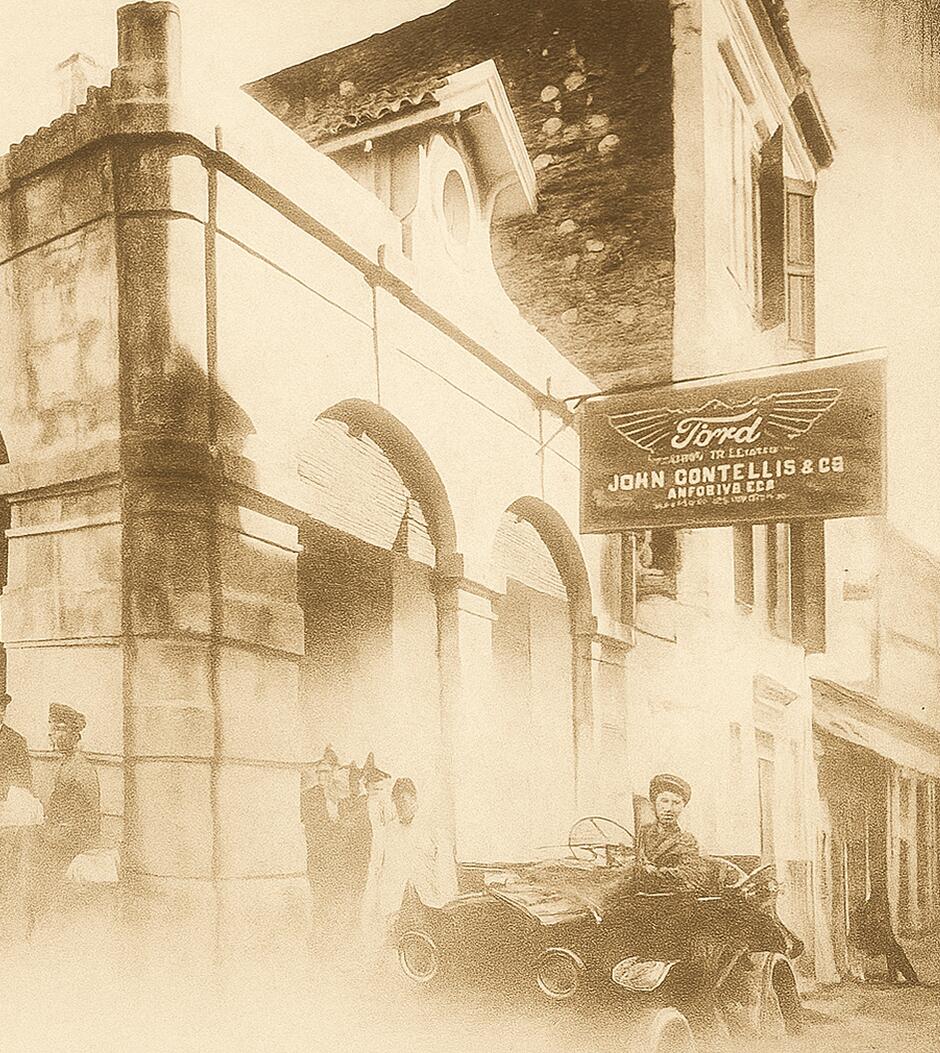
Ioannis (John) Kontellis was an entrepreneur who excelled in America and, upon his return, actively contributed to the progress of the village. His love for his birthplace was so great that he passed it on to his children. The Kontellis family continued his work with continuous and significant contributions.
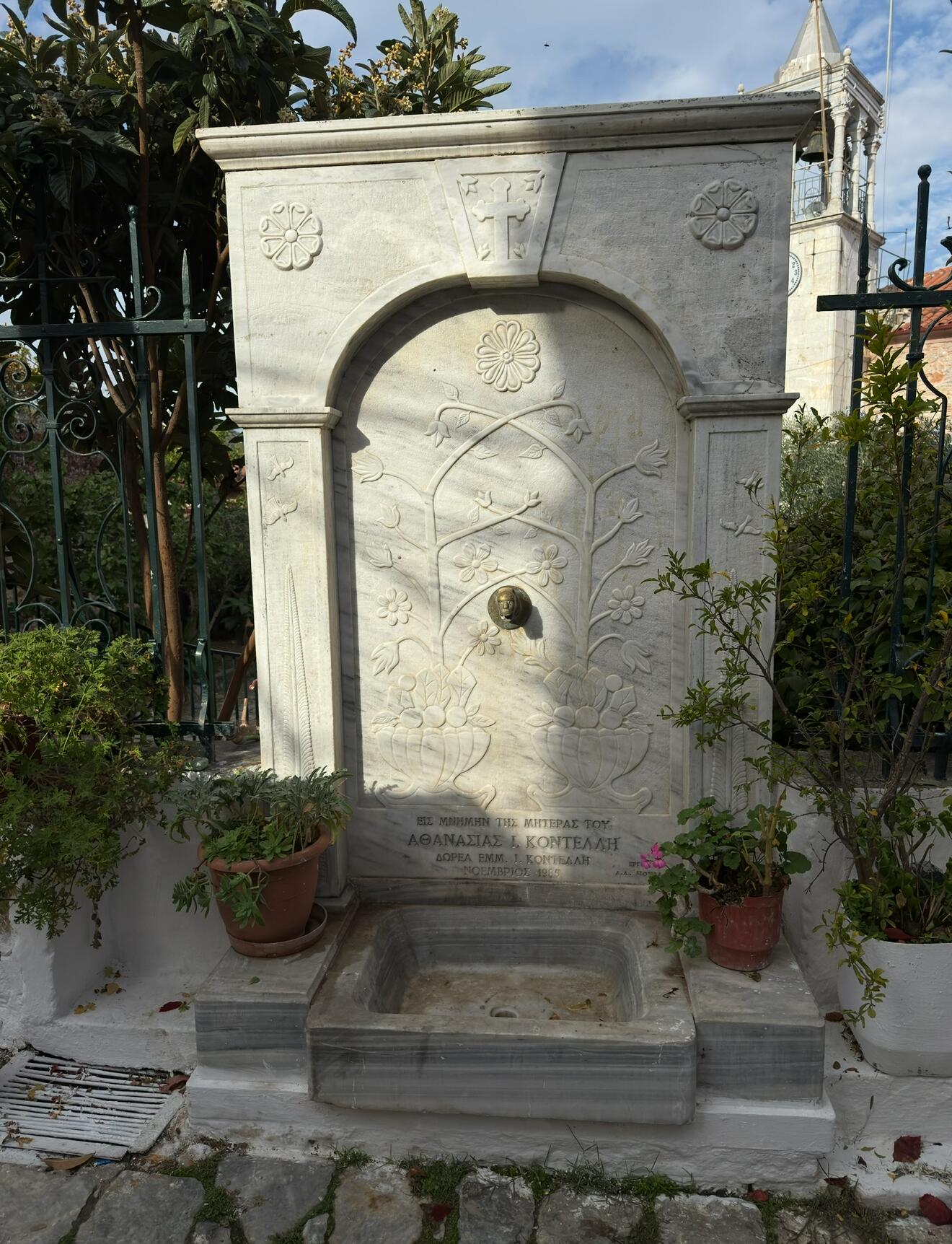
With expenses covered by the family, the Asomatos Nursery School was constructed (which currently operates as a Cultural Center), the Chapel of Agia Paraskevi in the church courtyard was renovated, and the Ecclesiastical Museum of the village was established. Ioannis Kontellis's contribution to the community is also evident in the village's infrastructure, such as the paving of its entrance, the church railings, and the erection of the tourist kiosk.
Benefactors of Asomatos
The Spiritual Life of the Village
The spiritual life of Asomatos has always been closely linked to the church, which served as the center of the community. The village's first educational focus operated in a rudimentary fashion within the old Taxiarches Church, where priests and hieromonks taught children basic literacy ("kolyvogrammata") and the history of their ancestors.
Apart from its benefactors, the village also produced a Neomartyr, Saint Anastasios Paneras. Alongside Saint Dimitrios Begiazis from Agiasos, they were martyred in Kasamba of Asia Minor in 1816 at the age of just 19 and 20 respectively. These young men, who were barrel-makers (coopers) by trade, suffered martyrdom for their faith, providing a luminous example of religious devotion and dedication which continues to inspire the inhabitants of Asomatos.
The Spiritual Life of the Village
Customs and Folk Traditions
The soul of Asomatos is deeply rooted in the customs and folk traditions that have been preserved throughout the centuries.
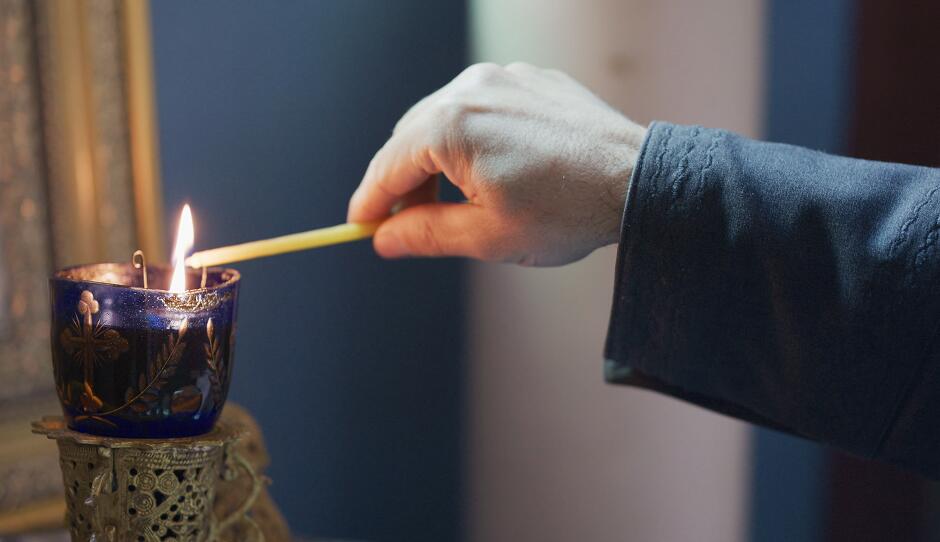
One of the most notable is the Lament of the Virgin Mary (Miroloi tis Panagias), which is chanted on Good Friday. This custom is a unique folk song with purely religious content, expressing the grief of the Virgin Mary over the death of her Son. The deep religiosity of the people of Asomatos has always been vivid, primarily due to the tribulations that the region has experienced.
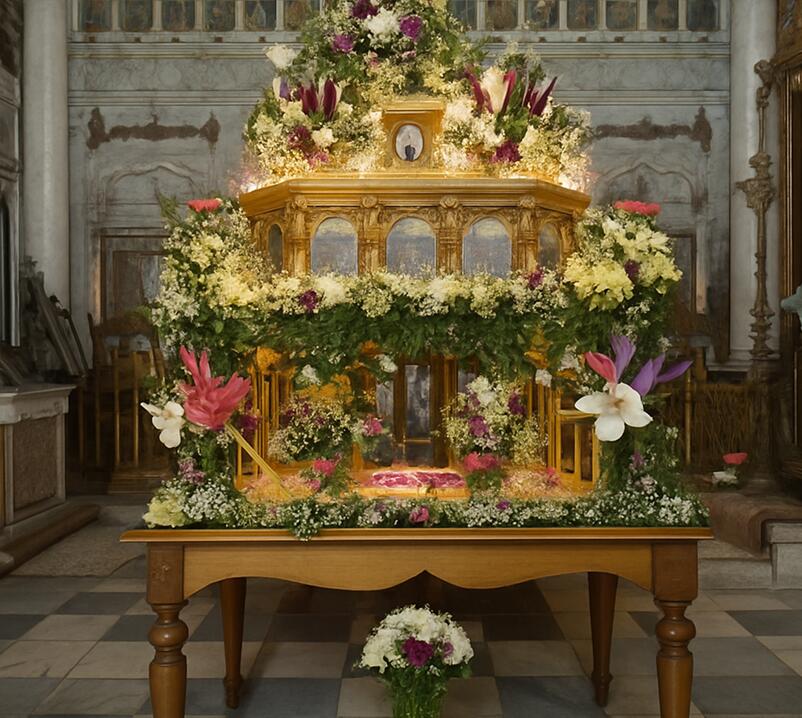
On the same day, the village's few residents, along with many visitors, anticipate the custom of the procession of the flower-decorated Epitaph. The procession takes place along the cobblestone paths and paved alleys of the village, and is accompanied by a traditional musical ensemble (kompania) featuring the santouri (hammered dulcimer), violins, and daouli (drum), which arrives from the neighboring village of Agiasos. The tune they play is the "funeral tune" (nekrosimo), a melodic and moving piece of music based on rhapsodies by the composer Franz Liszt.
Customs and Folk Traditions